

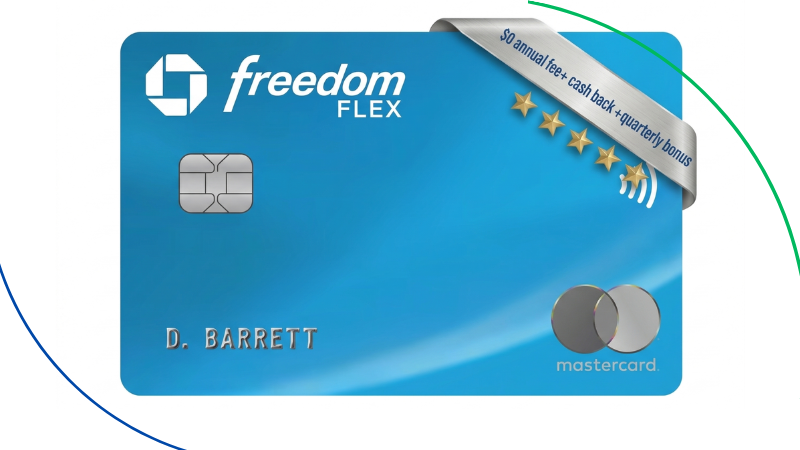
The Chase Freedom Flex credit card went through an internal refresh and infrastructure updates starting in the second half of 2025, but it remains a benchmark among no-annual-fee credit cards.
If your goal is to earn valuable points and have real flexibility to travel or receive cash back, this guide gets straight to the point.
- Tested performance within the points ecosystem.
- Outstanding value compared to entry-level competitors.]
- Final verdict after analyzing the recent changes.
Technical Specifications and Benefits
Why is this card a must-have in your credit card wallet? The answer lies in the aggressive multiplier structure combined with zero maintenance cost.
- Annual Fee: $0.
- Welcome Bonus: $200 bonus (equivalent to 20,000 points) after spending $500 in the first 3 months.
- Rotating Categories: Earn 5% cash back in categories that change every quarter (such as PayPal, gas stations, or grocery stores), with a $1,500 spending cap per quarter.
- Travel: Earn 5% back on travel booked exclusively through the Chase Travel Portal.
- Dining and Drugstores: Fixed 3% back at restaurants (including delivery) and pharmacies.
- General Purchases: 1% back on all other purchases outside bonus categories.
- Points never expire as long as you keep your account active with the bank.
Powerful combo with other cards
The biggest difference that separates the Freedom Flex from typical cashback cards is that rewards are paid in Chase Ultimate Rewards points.
If you use only this card, 1 point equals 1 cent. However, if you combine it with a premium card from the same lineup, such as the Chase Sapphire Preferred or Sapphire Reserve, you unlock the ability to transfer points to travel partners.
Practical example: If you maximize the 5% categories throughout the year, you can earn $300 (30,000 points). By transferring those 30,000 points to the Hyatt hotel program, you can book hotel nights that would easily cost between $500 and $600. This essentially transforms a basic card into a true travel machine.
Financial Breathing Room: Low Interest for New Cardholders
If you need to finance a large purchase in the short term or want to consolidate debt, the Chase Freedom Flex offers a tactical advantage. The card provides 0% introductory APR for the first 15 months from account opening.
In practice, this means one year and three months of interest-free credit that you can use in two ways:
New purchases: Ideal for buying a new laptop, covering unexpected expenses, or planning a trip without paying a single cent in interest during the intro period.
Balance transfers: Allows you to move high-interest debt from other credit cards and pay it off at your own pace, stopping the financial “bleeding.”
After this period, the card applies a variable APR between 18.24% and 27.74%, depending on your credit score.
The best strategy is to use this benefit carefully and make sure the balance is paid off before the regular APR kicks in.
Our Final Take on the Chase Freedom Flex Credit Card
In the end, everyone wants to know if it’s worth it, so we evaluated when it makes sense for different types of users:
🟢For the Points Strategist (Travel Hacker): Yes, absolutely. If you already have or plan to build a Chase card ecosystem, the Freedom Flex is the perfect tool to accelerate your points earnings in everyday categories without adding any annual cost to your budget.
🟢For Someone Looking for Simple Cashback with High Returns: Yes. Even if you don’t want to transfer points to airlines or hotels, earning 5% in quarterly categories and 3% at restaurants on a no-annual-fee card is one of the best value propositions in today’s credit card market. The $200 bonus for such a low initial spend ($500) already pays for the “test drive.”
🟡For Someone Who Prefers the Path of Least Resistance: Maybe not. If you hate having to remember to activate categories every three months or checking where to spend to earn 5%, flat-rate cards that pay 2% on absolutely everything may offer a smoother, more frictionless experience for your profile.
You will remain on the current site.
